Welcome to Weifang Suxing Intelligent Technology Co., Ltd, Ltd. official website

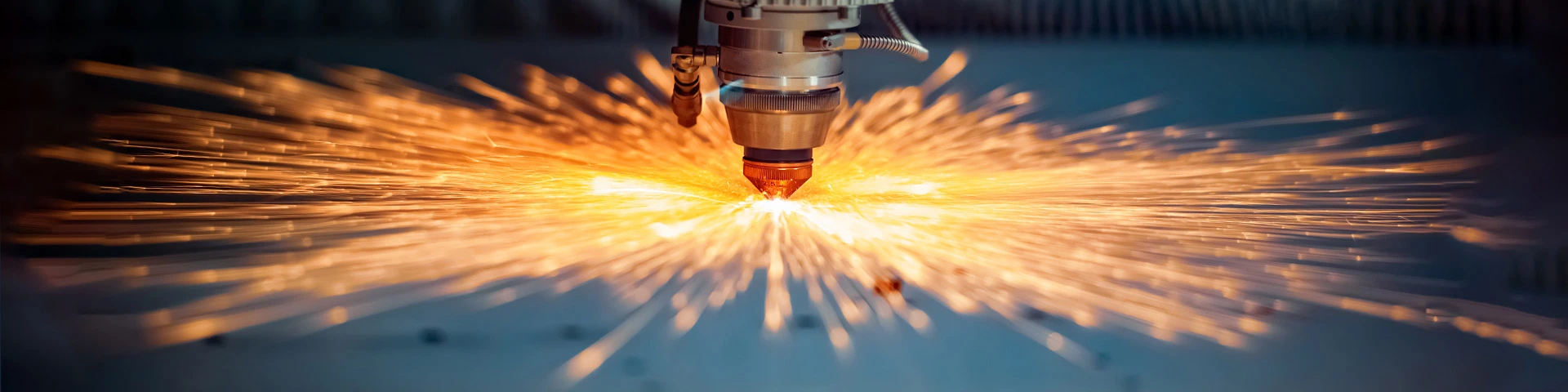
Unlocking the Secrets of the Mold Furnace: How It Works
2025-02-22
Introduction to the Mold Furnace
Ever wondered how those shiny metal parts you see around you are made? Well, the magic often starts with amold furnace! This fascinating piece of technology is at the heart of metal casting, transforming raw materials into precise, usable shapes. Let’s dive into how amold furnace works, and why it’s so crucial in manufacturing.
What Is a Mold Furnace?
Amold furnace is essentially a high-temperature oven designed to melt metal and pour it into molds. It’s a pivotal component in many industries, including automotive, aerospace, and construction. Using intense heat, the furnace can liquefy metals like iron, aluminum, and bronze, shaping them into parts that are both functional and aesthetically pleasing.
The Basic Working Principle
So, how does this beast operate? Picture this: a large chamber lined with heat-resistant materials. The furnace heats up by burning fuel or using electricity, reaching temperatures that can exceed 1,500 degrees Celsius! At these temperatures, metals melt down into a viscous liquid.
Once the metal reaches its molten state, operators pour it into pre-shaped molds. These molds are often created from sand, metal, or ceramic, depending on the required precision and the type of metal being used. The molten metal fills the mold, cools down, and solidifies, taking on the shape of the mold. Voila! You’ve got your casting!
Types of Mold Furnaces
There are several types ofmold furnaces, each with its unique benefits:
- Induction Furnaces: These use electromagnetic induction to heat metal. They’re known for their efficiency and precision.
- Electric Arc Furnaces: As the name suggests, they use electric arcs to melt metal. This method is particularly popular in recycling operations.
- Blast Furnaces: Typically used for iron production, they involve a continuous process of loading and removing metal.
The Role of Temperature Control
Temperature control in amold furnace is critical. Too hot? You might get unwanted reactions, or worse, damage the mold! Too cold? The metal won’t melt properly, leading to casting defects. Operators must monitor and adjust the temperature meticulously, often relying on advanced technology to ensure precision.
Benefits of Using a Mold Furnace
Wondering why industries invest heavily inmold furnaces? Here are a few compelling reasons:
- Efficiency: These furnaces can melt large quantities of metal quickly, reducing production time.
- Versatility: They can work with various metals and alloys, making them suitable for multiple applications.
- Cost-Effectiveness: By creating precise molds, manufacturers can minimize waste and save money.
Challenges in Mold Furnace Operation
Of course, operating amold furnace isn’t all smooth sailing. There are challenges involved:
- Safety Hazards: High temperatures and molten metals pose significant risks. Safety protocols must be strictly followed.
- Environmental Concerns: Emissions from burning fuels can impact the environment. Many industries are now seeking greener alternatives.
The Future of Mold Furnaces
As technology advances, themold furnace sector is evolving. Innovations like automated systems, energy-efficient designs, and cleaner fuel options are becoming the norm. Manufacturers are keen on sustainability without compromising quality, andmold furnaces are transitioning to meet these demands.
Conclusion
In summary, themold furnace plays a pivotal role in shaping the future of metal casting. Understanding its workings not only highlights its importance but also sheds light on the fascinating world of metallurgy. Whether you’re a budding engineer or just curious about how things are made, the story of themold furnace is one of innovation, precision, and continuous improvement. So, next time you see a metal part, you’ll appreciate the journey it took—from raw material to final product!
Related Articles

Weifang Suxing Intelligent Technology Co., Ltd.
Address: No.8, Xing'an Road, Dongcheng Street, Linqu County, Weifang City
Get A Quote
Please fill in your contact information carefully, we will provide you with one-to-one VIP service and answer your questions in detail!