Welcome to Weifang Suxing Intelligent Technology Co., Ltd, Ltd. official website

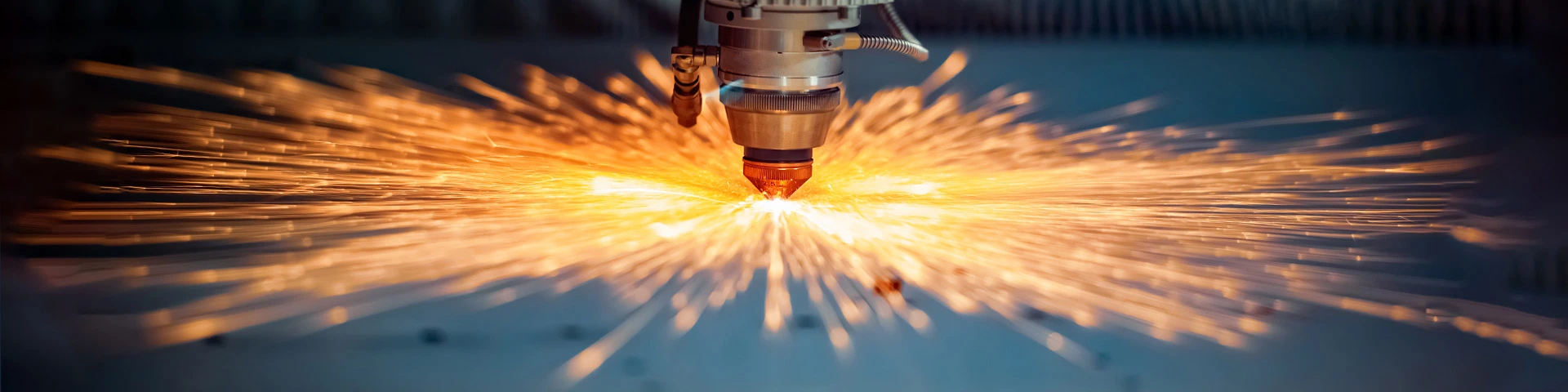
Mold Furnace: Essential Considerations for Successful Operations
2025-03-02
Understanding the Mold Furnace
Hey there! If you’re diving into the world of metal casting, you’ve probably heard the term mold furnace thrown around quite a bit. But what exactly is it? In simple terms, a mold furnace is a specialized furnace used to melt metals and pour them into molds to create various shapes and products. Sounds straightforward, right? Well, hold your horses! There’s a lot more to consider when using one of these machines.
Types of Mold Furnaces
First off, let’s break down the different types of mold furnaces you might encounter:
- Induction Furnaces: These babies use electromagnetic fields to heat the metal. They’re super efficient and provide precise temperature control.
- Electric Arc Furnaces: Ideal for recycling scrap metal, these furnaces use powerful arcs of electricity to melt materials.
- Crucible Furnaces: The classic choice for small-scale operations, they can be fueled by gas or electricity.
Safety First!
Before you even think about firing up that mold furnace, safety should be at the forefront of your mind. Here are some key considerations:
- Protective Gear: Always wear appropriate gear—gloves, goggles, and flame-resistant clothing are a must!
- Ventilation: Ensure your workspace is well-ventilated. Fumes from melting metals can be hazardous.
- Emergency Procedures: Familiarize yourself with emergency shutdown procedures and have a fire extinguisher handy.
Temperature Control
One of the big challenges with a mold furnace is maintaining the right temperature. Too hot, and you risk ruining your metal; too cold, and it won’t melt properly. Achieving that Goldilocks zone is essential! Here’s how:
- Use a Thermocouple: This device helps you monitor the temperature in real-time.
- Preheat the Furnace: Always preheat your mold furnace before adding metal. This helps maintain a consistent temperature.
Choosing the Right Metal
Not all metals are created equal. Different metals have varying melting points and characteristics. For instance:
- Aluminum: Melts easily, making it a favorite for beginners.
- Bronze: Offers excellent casting properties but requires a higher temperature.
- Iron: Great for strength but can be tricky to work with due to its high melting point.
Mold Preparation
Now, let’s talk molds. Proper mold preparation is crucial for successful casting:
- Cleanliness: Make sure your molds are clean and free of debris. Any contaminants can ruin your cast.
- Release Agents: Using a release agent can help prevent your metal from sticking to the mold.
Keep It Moving!
When the metal is ready to pour, you need to act fast! Here’s the deal:
- Pouring Technique: Use a steady hand and pour the metal at the correct angle to avoid air pockets.
- Timing: Don’t let the molten metal sit too long; it can start to solidify.
Post-Casting Care
After you’ve cast your masterpiece, the work isn’t over yet! Here are some post-casting tips:
- Cooling: Allow your cast piece to cool down slowly. Rapid cooling can cause cracking.
- Finishing Touches: Once cooled, you can grind, polish, or treat your metal as needed.
Final Thoughts
So there you have it! Using a mold furnace can seem daunting, but with the right knowledge and precautions, you’ll be crafting like a pro in no time. Remember, safety is paramount, and a little preparation goes a long way in ensuring success. Happy casting!
Related Articles

Weifang Suxing Intelligent Technology Co., Ltd.
Address: No.8, Xing'an Road, Dongcheng Street, Linqu County, Weifang City
Get A Quote
Please fill in your contact information carefully, we will provide you with one-to-one VIP service and answer your questions in detail!