Welcome to Weifang Suxing Intelligent Technology Co., Ltd, Ltd. official website

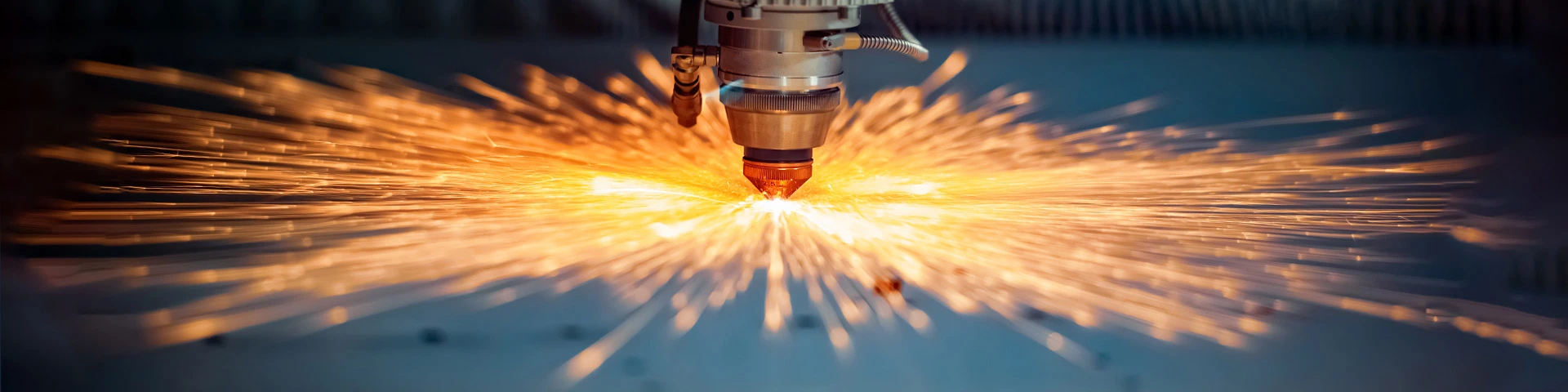
Understanding the Inner Workings of a Mold Furnace
2025-03-04
Introduction to Mold Furnaces
Ever wondered how metal turns into precise shapes? Well, let’s dive into the world of mold furnaces! These incredible machines are the backbone of the manufacturing industry, transforming raw materials into usable products through a fascinating process.
What Is a Mold Furnace?
At its core, a mold furnace is a specialized furnace used to melt metal. It’s typically constructed with high-temperature materials that can withstand extreme heat. The magic happens when metal is heated to its melting point, allowing it to be poured into molds. Sounds simple, right? But there's so much more to it!
The Basic Working Principle
Let’s break it down. A mold furnace operates using a combination of heat and pressure. When the metals are placed inside, they’re heated by various energy sources—be it electric, gas, or even induction methods. The goal? To reach a temperature that allows metal to flow like liquid gold (well, maybe not gold, but you get the gist!).
Key Components of a Mold Furnace
Now, you might be thinking, "What makes up this beast of a machine?" Here are some key components:
- Heating Element: This is the heart of the mold furnace. It generates the heat necessary to melt the metals.
- Insulation: To keep the heat contained and ensure efficiency, high-grade insulation materials are used.
- Mold: After the metal is melted, it needs a home! Molds can be made from various materials, depending on the type of metal being cast.
- Control System: Think of this as the brain of the operation. It monitors temperatures and controls the melting process to ensure precision.
How Does It All Work?
Once everything is set up, the process kicks off! The heating element warms up, and the metal begins to melt. As the temperature rises, the metal transitions from a solid to a liquid state. This is where the magic really happens! The molten metal is then poured into the pre-prepared molds. After a cooling period, voila! You've got yourself a perfectly cast product.
Types of Mold Furnaces
Hold your horses! Not all mold furnaces are created equal. Here’s a quick rundown of the most common types:
- Induction Furnaces: These use electromagnetic induction to heat the metal. They are super efficient and can melt metals quickly.
- Electric Arc Furnaces: Utilizing electric arcs, these furnaces can reach extremely high temperatures, making them ideal for steel production.
- Crucible Furnaces: These are used for smaller batches of metal and are typically fueled by natural gas or electricity.
The Benefits of Using a Mold Furnace
So, what’s in it for manufacturers? Here are a few perks:
- Precision: Mold furnaces allow for precise control over the melting process.
- Versatility: They can be used to melt a variety of metals.
- Cost-Effectiveness: Once set up, they can produce large quantities, reducing costs.
Conclusion: The Future of Mold Furnaces
As technology advances, so do mold furnaces. Innovations in materials and processes continue to enhance their efficiency and effectiveness. With a keen eye on sustainability, the future of mold furnaces looks bright! So, next time you use a metal product, remember the fascinating journey it took through a mold furnace!
Related Articles

Weifang Suxing Intelligent Technology Co., Ltd.
Address: No.8, Xing'an Road, Dongcheng Street, Linqu County, Weifang City
Get A Quote
Please fill in your contact information carefully, we will provide you with one-to-one VIP service and answer your questions in detail!