Welcome to Weifang Suxing Intelligent Technology Co., Ltd, Ltd. official website

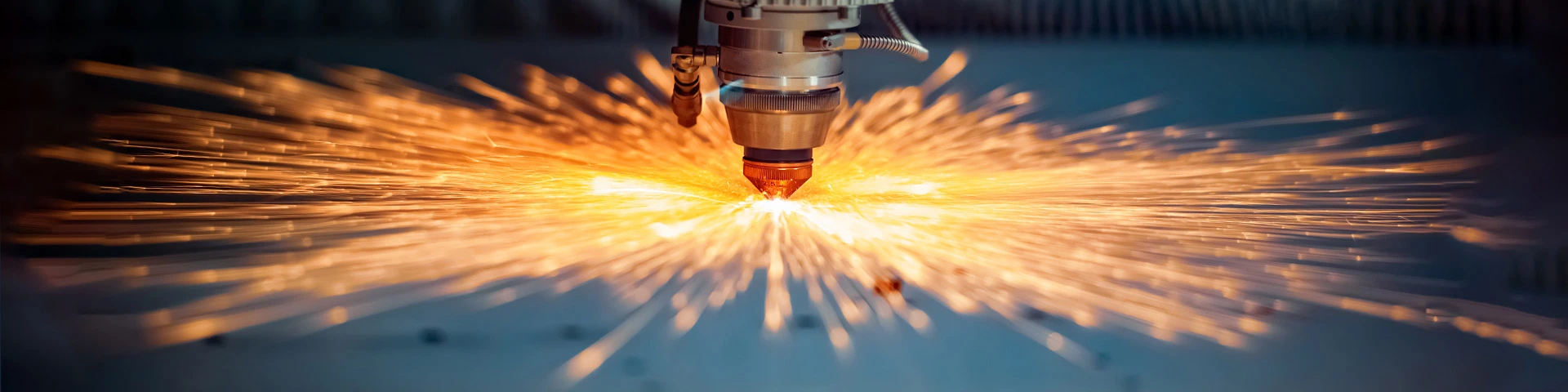
Unlocking the Secrets of In-line Quenching: A Game Changer in Industry Dynamics
2025-03-28
The Buzz Around In-line Quenching
In today's fast-paced manufacturing world, staying ahead of the curve can make or break a business. One technique that's been making waves lately is in-line quenching. This process is a game changer, enabling manufacturers to improve efficiency and product quality. But what exactly is it, and why should you care? Let's dive in!
What is In-line Quenching?
In the simplest terms, in-line quenching refers to the rapid cooling of hot materials (like metals) as they move along a production line. Imagine a roller coaster ride where the thrill peaks at the top, and then, whoosh! You plunge into a cooling mist. That’s essentially how this technique works—cooling metals to enhance their properties while they’re still on the conveyor belt!
Why the Hype?
So, why all the fuss about this method? Well, it boils down to three key advantages:
- Efficiency: Traditional quenching methods can be time-consuming and labor-intensive. In-line quenching automates the process, slashing production time.
- Quality Control: By controlling the cooling rate precisely, manufacturers can achieve uniform properties in their products, reducing defects.
- Cost Savings: Less manual labor and shorter cycle times mean more bucks in the bank.
Real-World Applications
In-line quenching is not just a theoretical concept; it’s already being utilized in various industries. From automotive parts to aerospace components, this technique is revolutionizing how manufacturers approach heat treatment.
1. Automotive Industry
In the automotive sector, in-line quenching helps produce stronger, lighter materials for vehicles. Think about it: lighter cars mean better fuel efficiency. Who wouldn’t want that?
2. Aerospace Sector
Similarly, the aerospace industry benefits immensely from this process. Aircraft components require extremely high levels of precision and strength. Thanks to in-line quenching, manufacturers can achieve these high standards without breaking the bank.
Challenges to Consider
Now, before you jump on the in-line quenching bandwagon, let’s not sugarcoat things. There are challenges, too. For one, the initial setup can be pricey. Additionally, not all materials are suitable for this process. So, it’s essential to weigh the pros and cons before making the leap.
The Future is Bright
As technology continues to evolve, the landscape of manufacturing is bound to change. With advancements in in-line quenching technology, companies that adapt quickly will likely hold the keys to future success. Who knows? This might just be the secret sauce for competitive advantage in years to come!
Final Thoughts
In conclusion, in-line quenching is more than just a manufacturing buzzword; it’s a transformative process that can skyrocket efficiency, enhance product quality, and save costs. Keeping an eye on industry dynamics and adapting to changes will ensure you’re not left in the dust. So, stay curious and keep innovating!
Related Articles

Weifang Suxing Intelligent Technology Co., Ltd.
Address: No.8, Xing'an Road, Dongcheng Street, Linqu County, Weifang City
Get A Quote
Please fill in your contact information carefully, we will provide you with one-to-one VIP service and answer your questions in detail!