Welcome to Weifang Suxing Intelligent Technology Co., Ltd, Ltd. official website

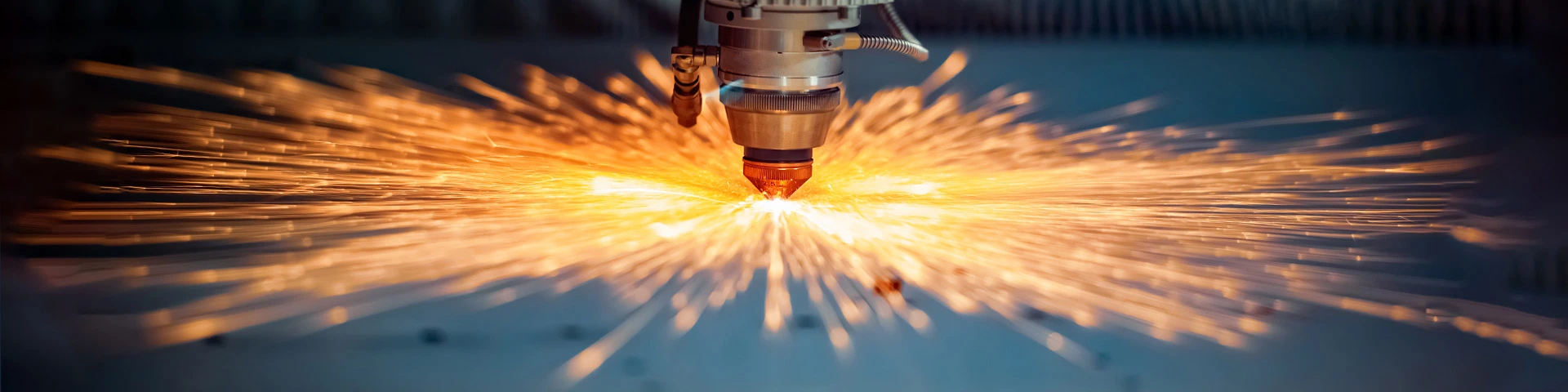
The Magic of In-line Quenching: Revolutionizing Industry Practices
2025-03-29
Understanding In-line Quenching
When it comes to manufacturing, efficiency and quality reign supreme. Enter in-line quenching, a technique that’s shaking up traditional processes in industries ranging from automotive to aerospace. This method, often regarded as a game-changer, involves the rapid cooling of materials as they move through a production line. Sounds simple, right? But the benefits are anything but!
Why Is In-line Quenching Essential?
In-line quenching is like the secret sauce in a gourmet dish—it enhances the final product while streamlining operations. By cooling materials quickly, manufacturers can achieve superior mechanical properties and reduce the chances of defects. It’s akin to hitting the fast-forward button on quality control!
Real-Life Applications of In-line Quenching
Let’s take a closer look at some industry scenarios where in-line quenching has made waves:
- Automotive Industry: In the automotive sector, the strength of parts is non-negotiable. By employing in-line quenching, manufacturers can create components that withstand the test of time and performance without sacrificing production speed.
- Aerospace Manufacturing: In-line quenching is critical for producing aircraft components. The need for precision and strength is paramount in this field, making rapid cooling an essential step in the manufacturing process.
- Tool and Die Industry: Tools need to be tough! In-line quenching provides the hardness and durability required for tools that endure heavy wear and tear.
Benefits That Can’t Be Ignored
Alright, let’s get down to brass tacks. Why should manufacturers hop on the in-line quenching bandwagon? Here are a few compelling reasons:
- Increased Efficiency: With traditional quenching processes, you often face bottlenecks. In-line quenching eliminates delays, allowing for a smoother workflow.
- Cost-Effectiveness: By reducing waste and improving yield, companies can save a pretty penny. Who doesn’t love to cut costs without skimping on quality?
- Enhanced Product Quality: The rapid cooling process improves hardness and strength, resulting in products that meet or exceed industry standards.
Challenges of Implementing In-line Quenching
Now, it’s not all sunshine and rainbows. Implementing in-line quenching can pose challenges:
- Initial Investment: The setup cost can be steep, and not every manufacturer is ready to take the plunge.
- Technical Expertise: Understanding the intricacies of in-line quenching requires skilled personnel, which can be a hurdle for some businesses.
The Future of In-line Quenching
So, what does the future hold for this innovative technique? As industries evolve and demand for high-quality products grows, the adoption of in-line quenching is likely to increase. Companies that embrace these advancements will not only stay competitive but may also lead the pack!
Wrapping It Up
In-line quenching isn’t just a trend; it’s a transformative practice that has the potential to redefine manufacturing standards. By enhancing efficiency and product quality, it’s no wonder that numerous industries are taking note. If you’re in the manufacturing game, now’s the time to consider this revolutionary technique!
Related Articles

Weifang Suxing Intelligent Technology Co., Ltd.
Address: No.8, Xing'an Road, Dongcheng Street, Linqu County, Weifang City
Get A Quote
Please fill in your contact information carefully, we will provide you with one-to-one VIP service and answer your questions in detail!